
Antonio Peluso
Works
Biography
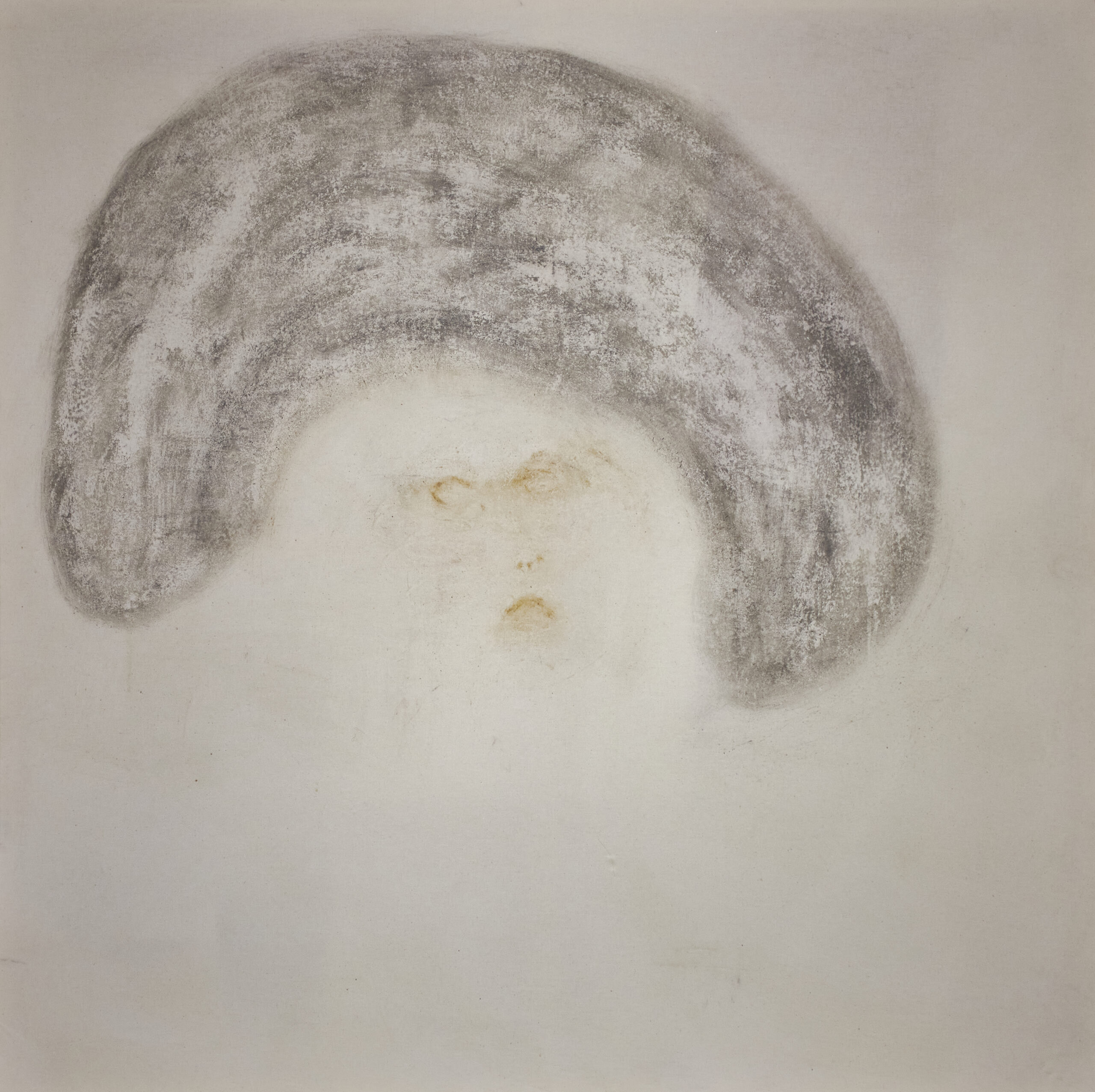
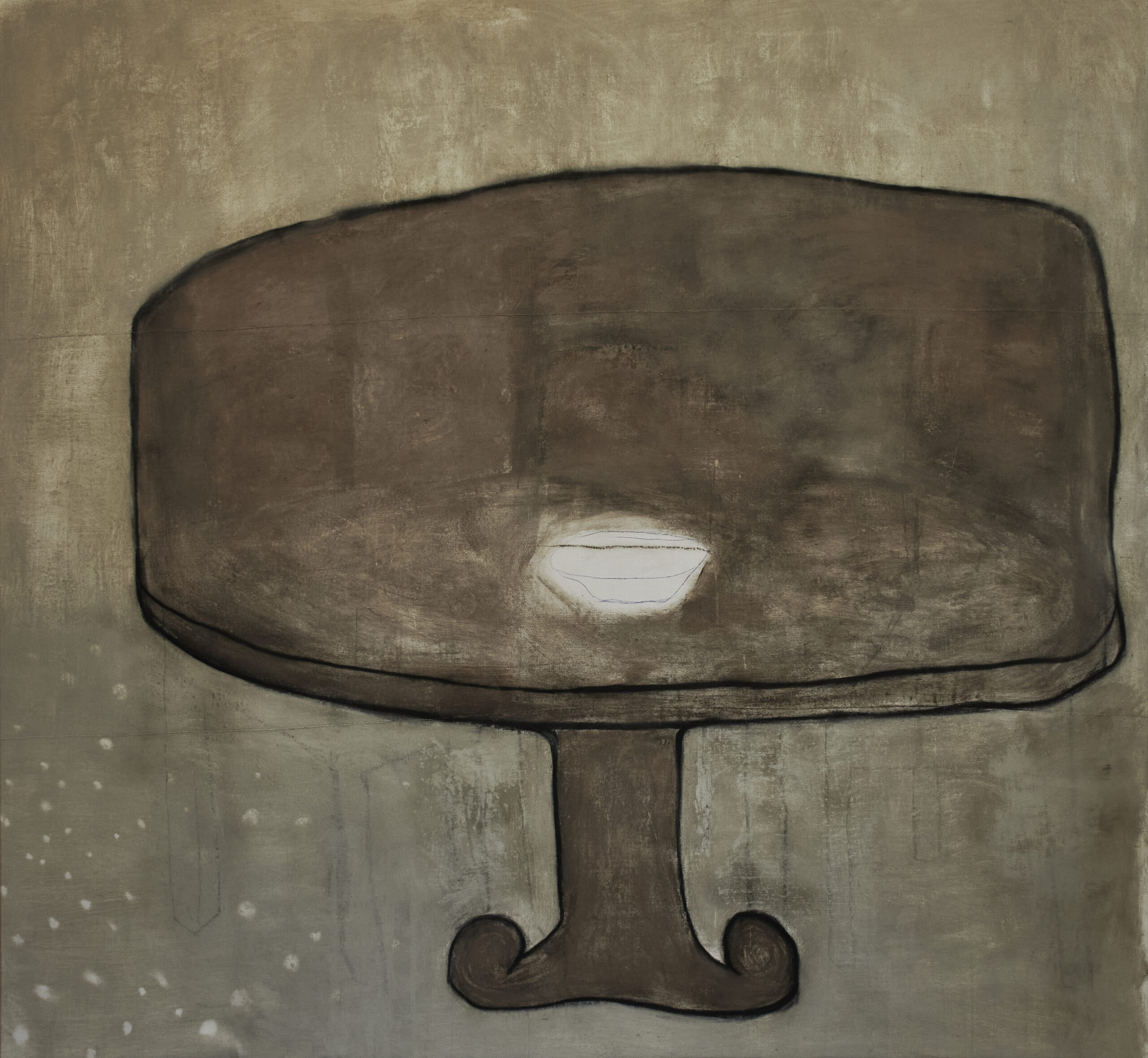
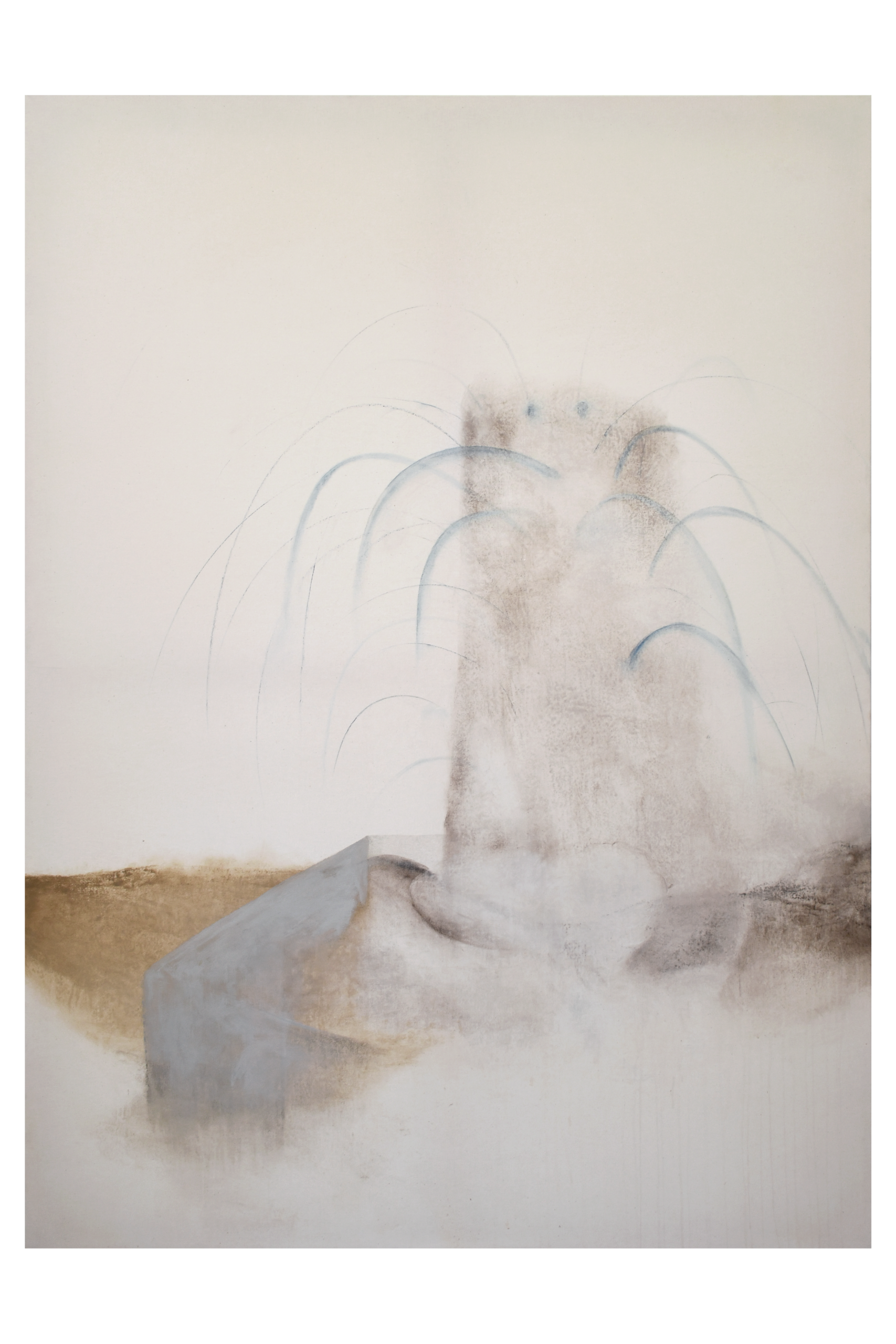
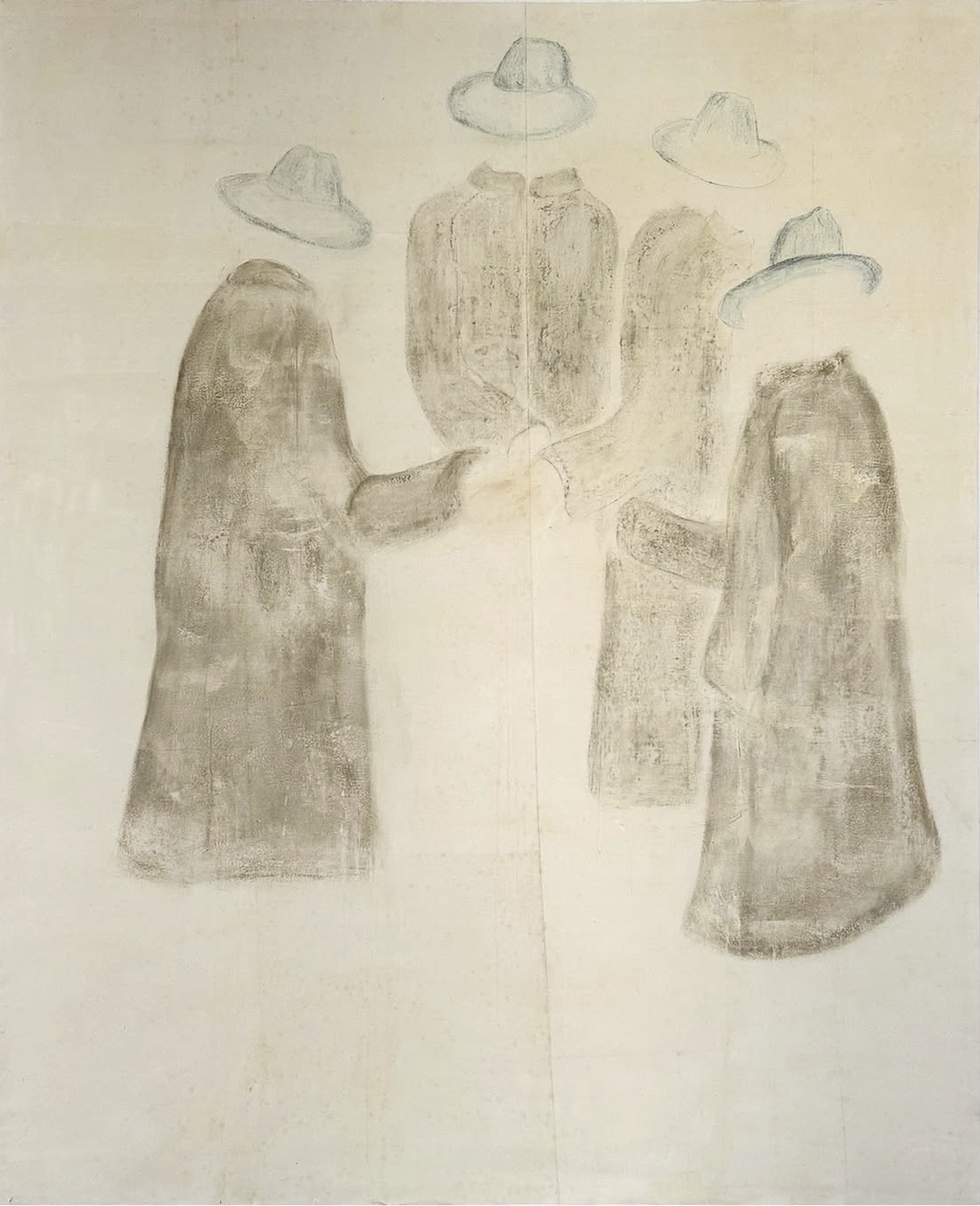
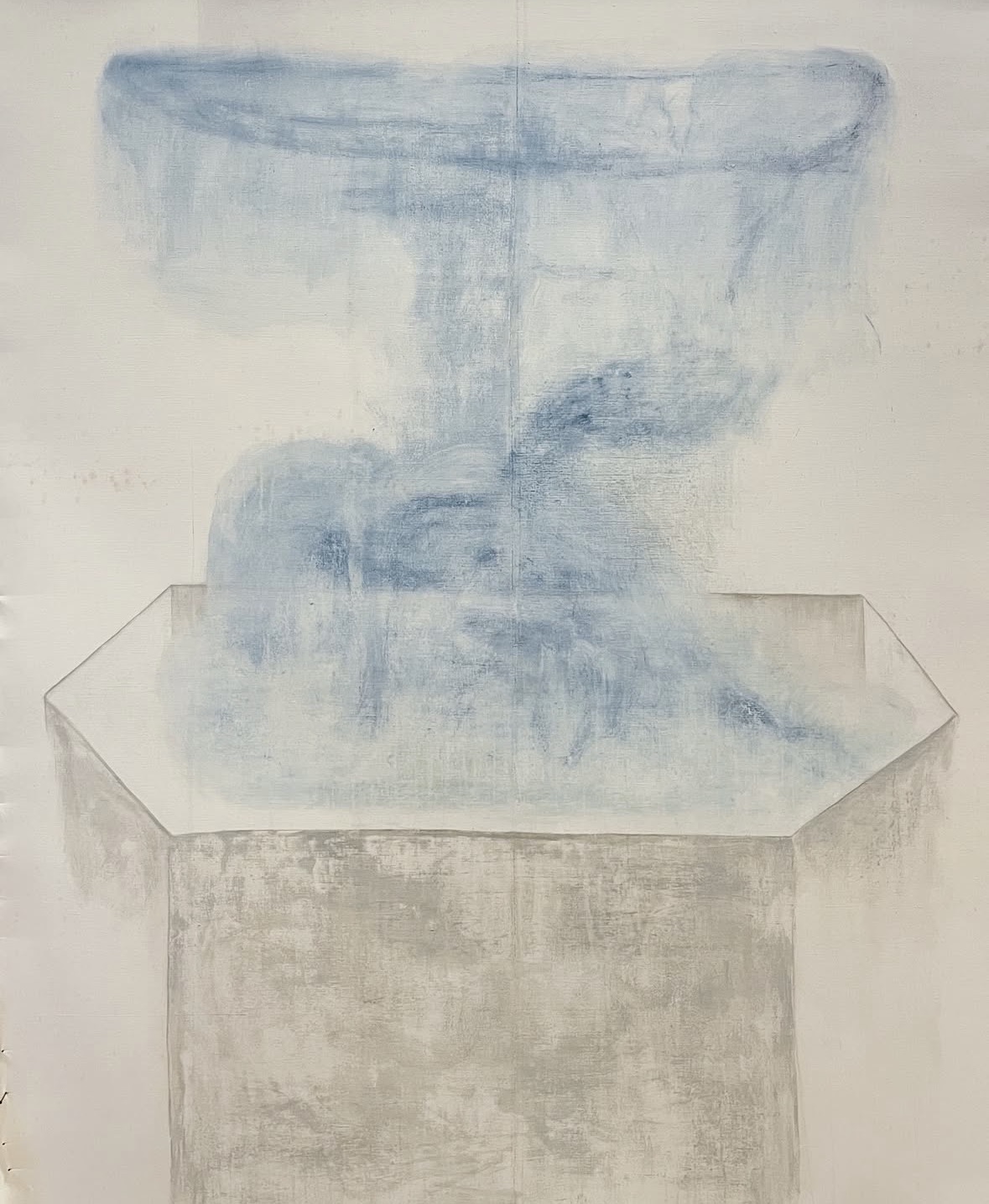
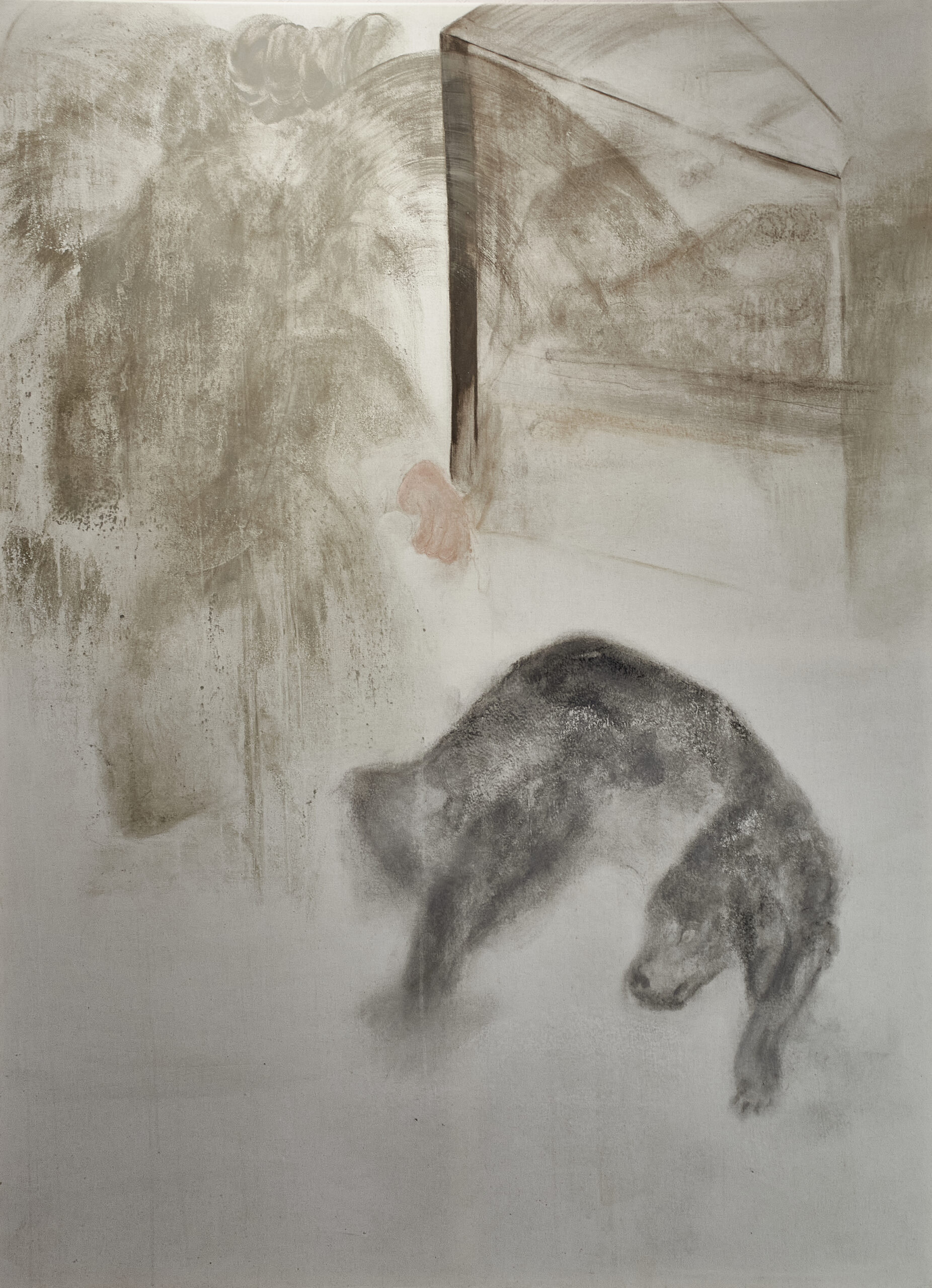
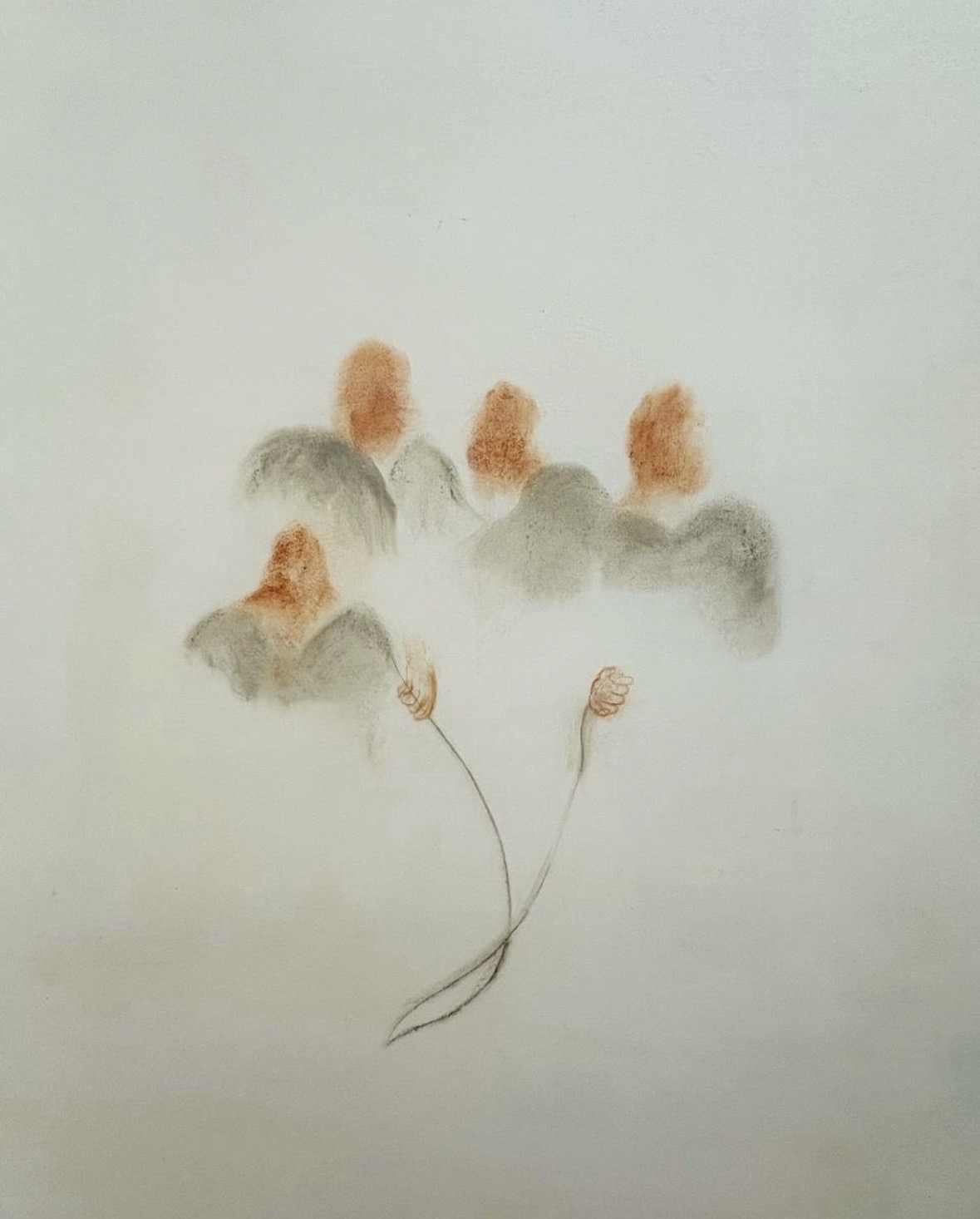
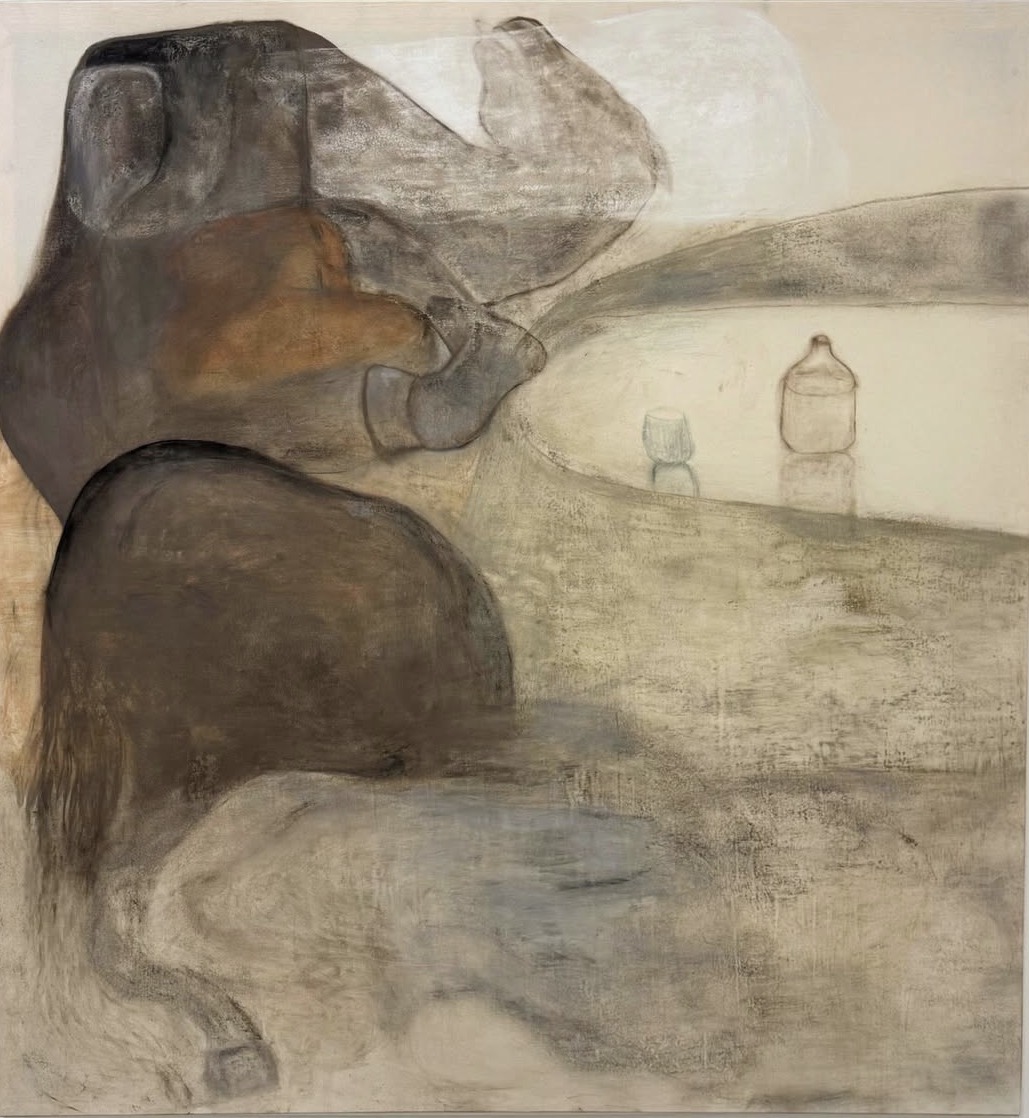
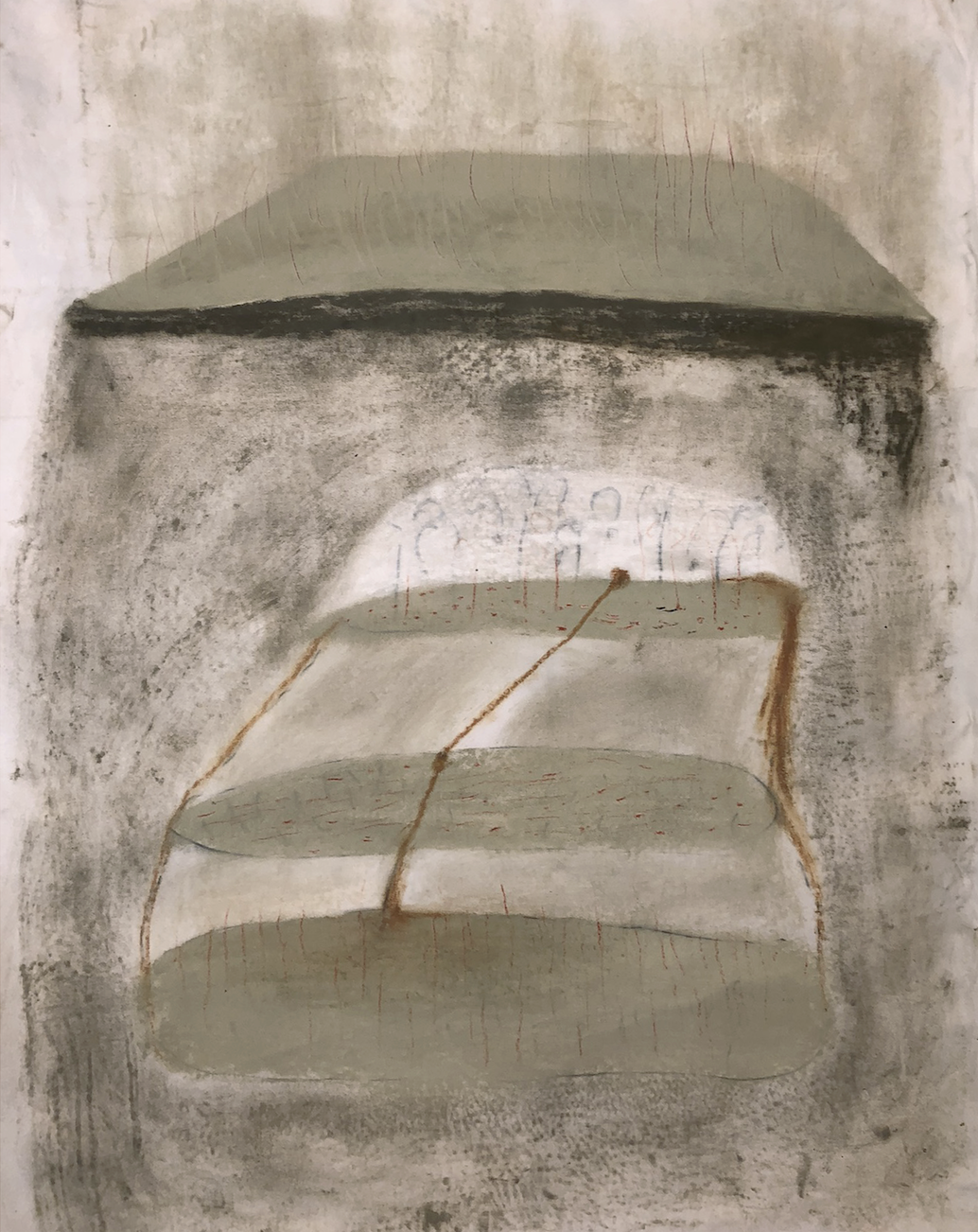
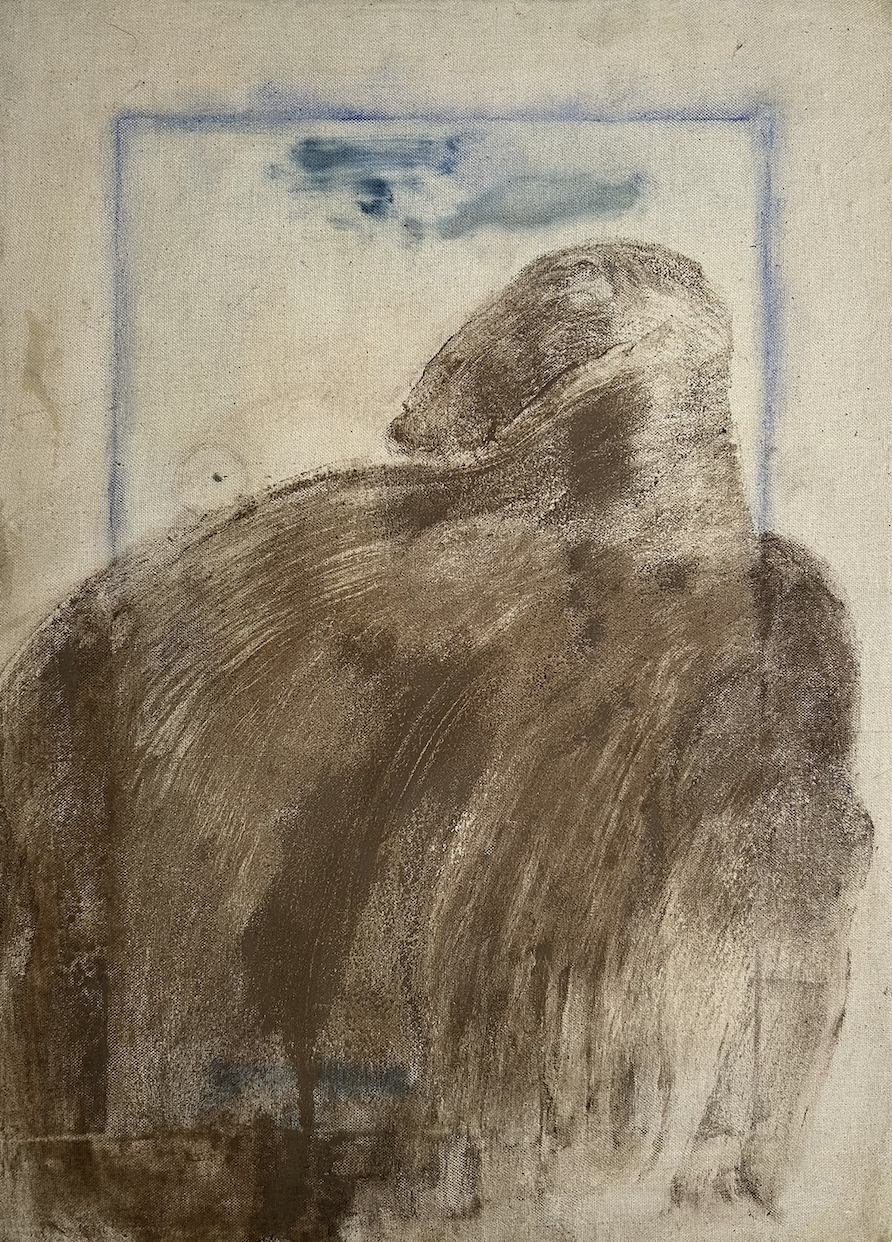
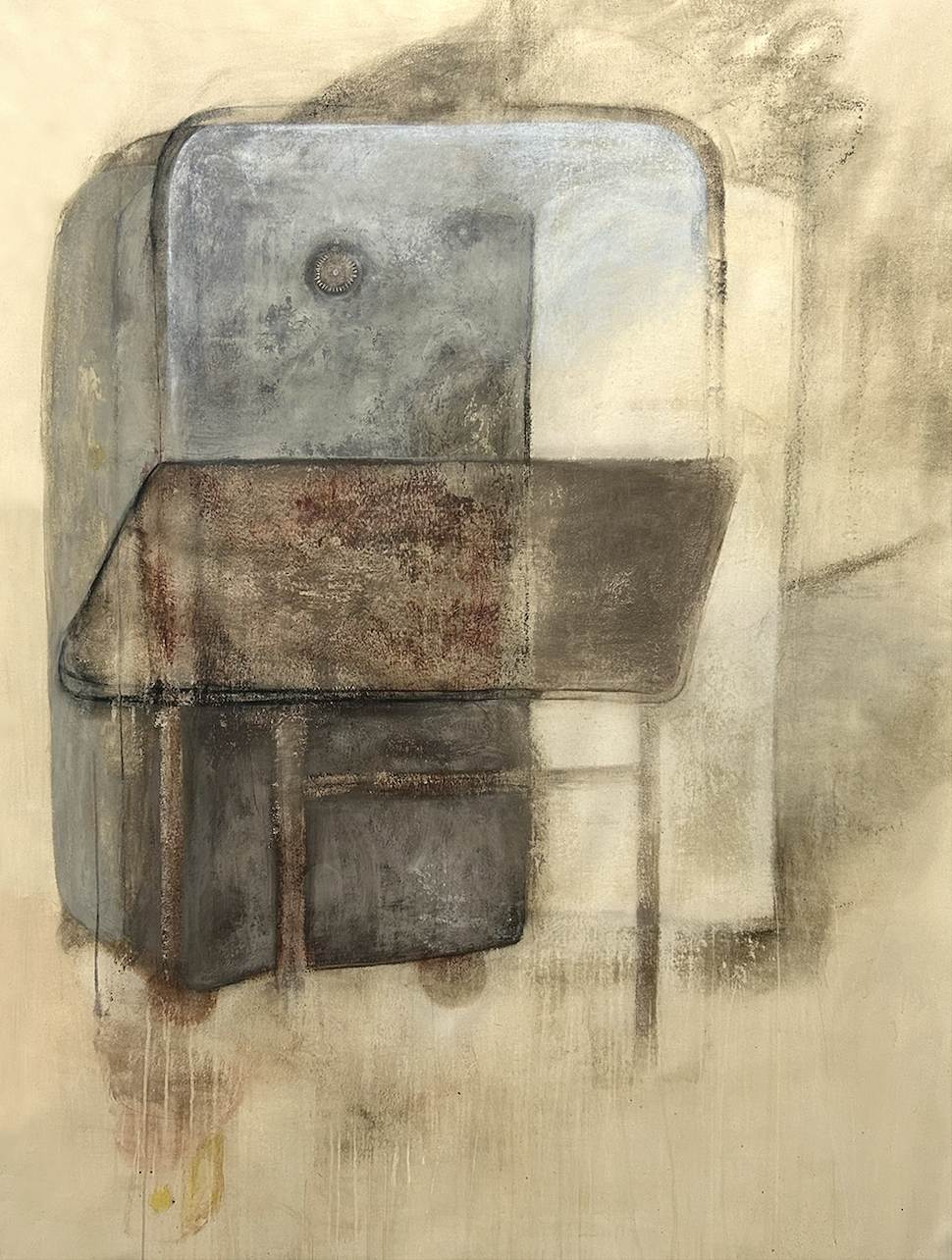
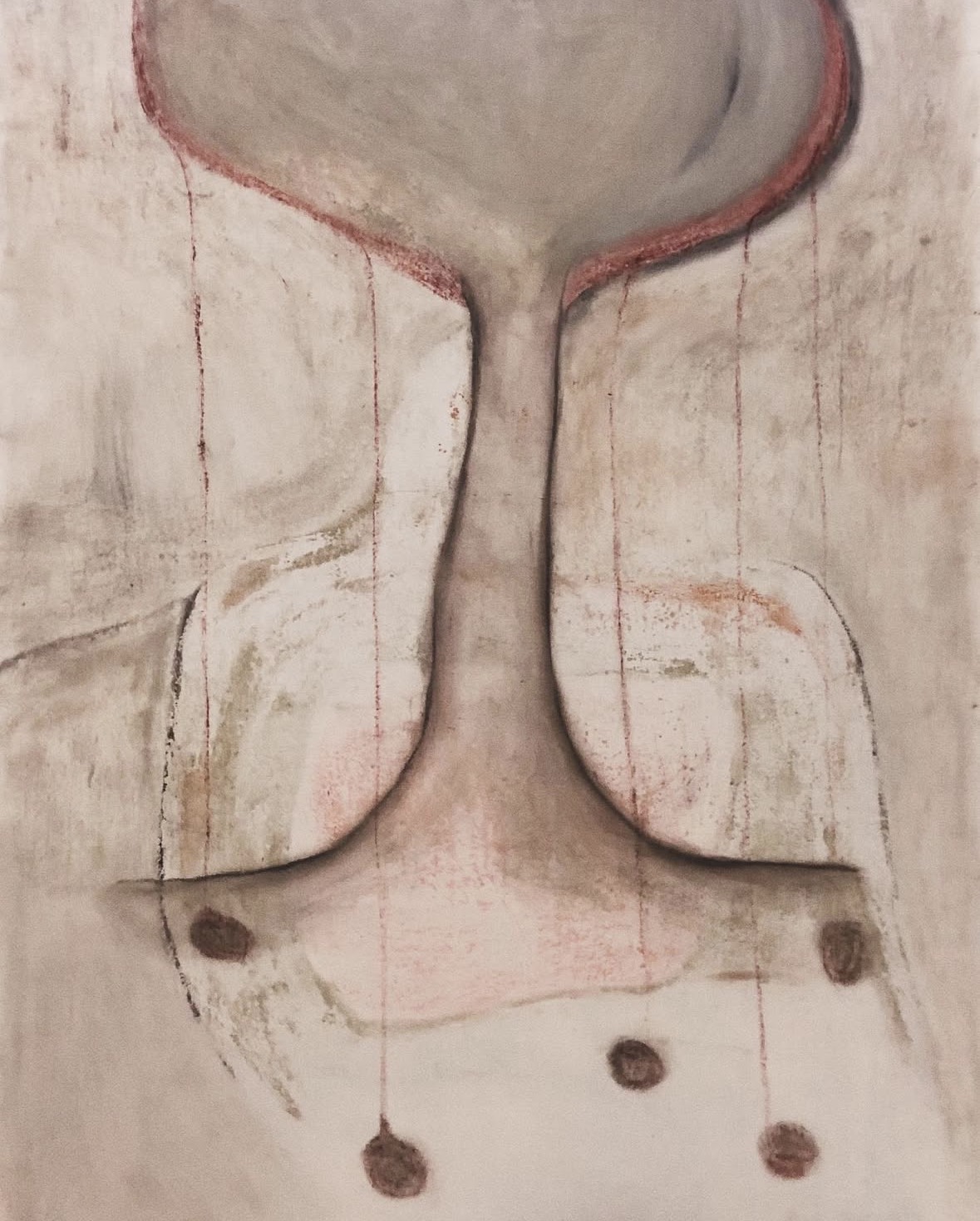
Born in San Giovanni Rotondo in 1993 and raised between the streets and countryside of Sannicandro Garganico, in the inland region of the Gargano, the artist’s practice is deeply rooted in his formative environment. Broken and impoverished roads, yet it is precisely from those conditions that his painting seems to emerge: spontaneous, rudimentary, aleatory, at times violent and raw. A peripheral context, suspended outside the rhythm of contemporary progress, continues to inform his visual language.
Before fully committing to painting, he trained in fashion at Koefia in Rome between 2012 and 2015. During this period, he worked in a bespoke shoemaking workshop, where he developed a strong manual discipline through the handling of fabrics, leather, and construction processes. This artisanal foundation remains embedded in his practice, not as an aesthetic reference but as a method, where making is inseparable from thinking.
An early and decisive encounter with contemporary art occurred in Rome, through exposure to works by twentieth-century artists, marking a shift in perception and opening a new field of experience. This moment established painting as a necessary direction rather than a distant possibility.
In 2016 he moved to Berlin, working as a leather artisan for Marina Hoermanseder, before returning to Italy and later relocating to Florence after receiving a scholarship at Polimoda. There, he specialized in pattern making and prototyping, eventually working as a designer. Despite this trajectory, the industrial logic of reproducibility proved increasingly incompatible with his interests. The need to engage with something irreducible and singular led him to abandon design.
He subsequently enrolled in the Academy of Fine Arts in Bologna, where he studied painting under the guidance of Simone Pellegrini. This period marked a decisive turning point, providing both a conceptual and practical framework through which his work could fully develop. The studio environment became central to the formation of his artistic identity, grounding his practice in a sustained inquiry into material, process, and image.